Wood energy consumption increase is here to stay
Wood energy consumption has increased by 3.5 percent annually between 2005 and 2007 in Unece’s 56 member states (United nations economic commission for Europe, www.unece.org), concluded a Unece/Fao workshop on “Current and future woody biomass for energy-Monitoring use and understanding technology” held on 15-16 September 2009 in Riga.
The data are based on the answers to Unece/Fao’s Joint wood energy enquiry (Jwee), a questionnaire sent to Unece member states since 2004. This trend is expected to continue or even accelerate as many European governments have enacted policies to promote wood energy as part of their plans to meet the European Union’s ambitious target to reach 20 percent of energy consumption from renewable sources by 2020.
These policies aim not only at mitigating climate change, but also at increasing energy security by promoting alternatives to imported and increasingly costly fossil fuels, a growing concern for many countries.
These policies, however, are having consequences on traditional forest products markets. Energy promotion presents challenges to mobilize additional supplies of biomass, especially in the short term, despite Europe’s forests currently being harvested at rates of approximately 60 percent of their annual growth, i.e. far below their sustainable potential. Subsidies and tariffs to promote greater wood energy production, trade and use will affect the markets, and can have an unexpected impact on traditional wood and paper product manufacturers.
For wood and paper products production, most countries have good information available for the current and expected wood fibre demands; however, current wood energy promotion policies are impacting the wood and paper industry and increase the likelihood of severe competition for the wood fibres. Conversely, forest owners and residue producers have profited by having the alternative markets for low-grade wood and processing by-products, especially at this time of economic crisis. This scenario necessitates establishing realistic targets for renewable energy sources, balancing traditional wood processing industry needs with the growing energy needs combined with the sustainable availability of woody biomass in all its various forms, in the short, medium and long term.
Read also...
Häfele posts stable 1.72 billion euros revenue in 2025
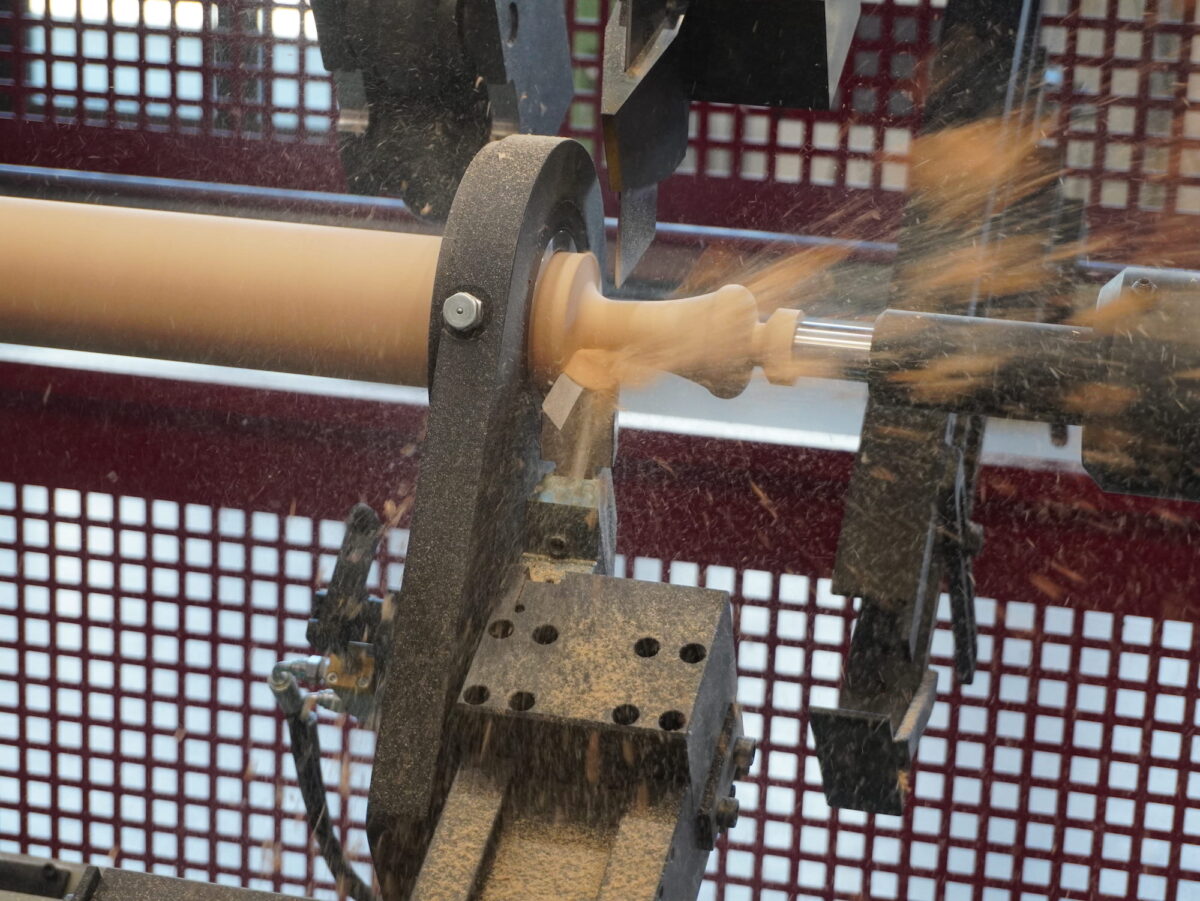
Locatelli Macchine: a small company known worldwide
Stosa Cucine increased media investments
The “Roots” project by Regione Lombardia and the National Cluster Italia Foresta Legno

Altendorf Group integrates Hebrock brand