For the third consecutive year, the German furniture industry has closed in negative territory. In 2025, revenue amounted to €15.8 billion, down 3.4 percent compared with the previous year. The contraction was more pronounced on the domestic market, where sales fell by 4.4 percent to €10.4 billion. The decline abroad was more limited: minus 1.2 percent, for a total of €5.4 billion. According to a survey by the industry association, one third of the companies expect to implement short-time work in the first quarter of 2026.
The association’s managing director, Jan Kurth, cites persistently weak sales and the multi-year decline in residential construction as the main causes. A recovery linked to the most recent building permits, according to Kurth, is not expected before 2027. The association is calling for political measures to stimulate the housing sector.
US TARIFFS AND CHINESE COMPETITION
On the foreign trade front, US tariff policies are weighing on German manufacturers, penalizing exports to the United States. At the same time, price pressure is increasing in Germany and across Europe due to rising Chinese exports, intensifying competition.
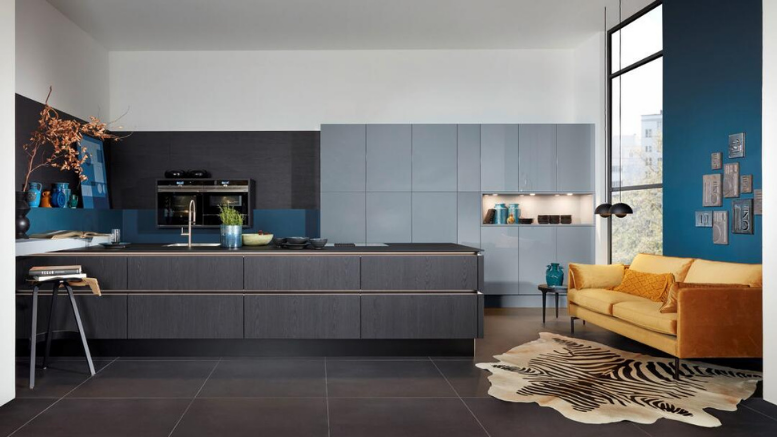
In detail, the kitchen furniture segment generated €5.6 billion (minus 0.3 percent). Office and shop furniture manufacturers posted €4.2 billion (minus 2.7 percent). Living room, dining room and bedroom furniture reached €4.7 billion (minus 5.5 percent). The decline in upholstered furniture was more pronounced, down 7.2 percent to €873 million.
EMPLOYMENT DECLINES
The 398 companies with more than 50 employees employed on average more than 68,000 people in 2025, around 4 percent fewer year on year.
For 2026, the association expects stabilization in the first half of the year and, over the full year, revenue at least in line with 2025. A slight increase is not ruled out, but limited to a low single-digit percentage.