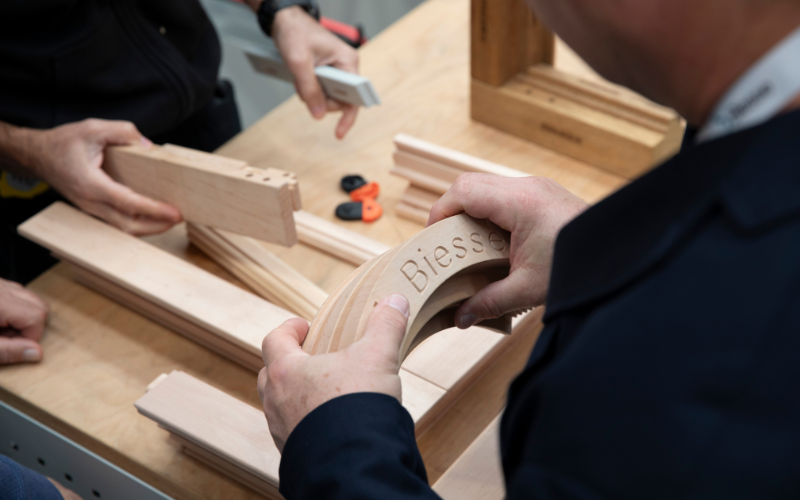
Italian industry attempts to regain momentum: insights from Confindustria’s Congiuntura Flash report
In Italy the industrial sector is attempting to regain momentum, but it remains weighed down by weak exports and sluggish domestic consumption, while energy costs are rising again and credit is becoming more expensive. This is the picture outlined in the February 2026 Congiuntura Flash released by Confindustria’s Research Center: an economy that had shown signs of resilience at the end of 2025 (GDP up 0.3 percent in the fourth quarter), but which now faces a more fragile and uncertain scenario at the start of the new year.
In December, industrial production declined again (down 0.4 percent), although the fourth quarter as a whole remained positive (up 0.9 percent). The recovery is there, but it is described as “weak and fragile”.
On the demand side, retail sales fell by 0.9 percent in volume terms in December, almost wiping out quarterly growth, while exports – after a monthly increase of 0.6 percent – closed the fourth quarter down 1.9 percent. A weaker dollar (1.18 against the euro in February) is also weighing on foreign sales.
Meanwhile, energy costs remain high: oil prices have risen again to 71 dollars per barrel, and gas stands at 33 euros per MWh. This is a crucial factor for the entire manufacturing sector, including wood and furniture, although the Government’s new “energy bills” decree could significantly ease costs for businesses and households if approved at the European level.
WOOD AND FURNITURE
For the wood processing and furniture sector, the picture is mixed but not without encouraging signs. In its sectoral focus, Confindustria notes that in 2025 the number of industrial sectors posting growth increased to nine (from four in 2024), signaling a gradual broadening of the recovery base. Among them is the wood sector, which has returned to positive territory after previous difficulties, while furniture has shown improvement compared to the sharper declines of the 2023–2024 biennium, although the overall context remains weak.
This is a significant development for the supply chain: while domestic consumption remains subdued and exports are affected by international uncertainty, investment in machinery and capital goods is showing positive signals, also supported by the National Recovery and Resilience Plan (PNRR). For wood companies, this means opportunities on two fronts: technological upgrading of production facilities and a potential reactivation of downstream demand, especially if 2026 – as projected by the Confindustria Research Center – marks a return to moderate manufacturing growth after three negative years.
The road ahead remains long. In 2025, industrial production still closed slightly down (minus 0.2 percent on average for the year), following minus 2.0 percent in 2023 and minus 4.0 percent in 2024. However, the range of fluctuations has narrowed and the sectors in decline are less extreme. It is not yet a turning point, but it may mark the beginning of a possible positive path. For the wood supply chain, strongly integrated with construction, contract markets and foreign trade, 2026 will hinge on energy costs, interest rates and the ability to capture investment opportunities—variables that currently weigh on the sector, but which could, at least in part, become drivers of recovery.
Read also...
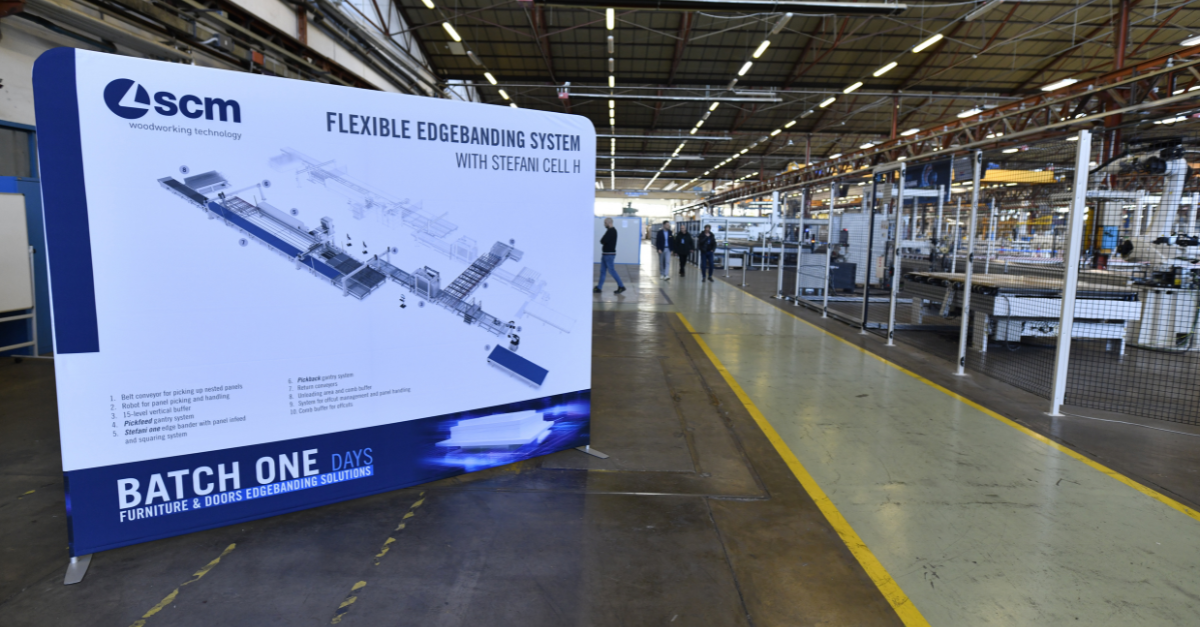
SCM, a new vision in “Batch One” edgebanding
Global Export 2024/2025: first-half data

US trade policy: furniture tariff increases postponed to 2027
Handleless fronts: a new automated edging solution by IMA Schelling
Siempelkamp for Egger: modernization in Wismar