
US trade policy: furniture tariff increases postponed to 2027
The White House has announced the signing of a presidential measure postponing by one year, to 2027, the entry into force of the increases in tariffs on upholstered furniture, kitchen furniture and bathroom furniture. The new rates, initially scheduled to take effect on 1 January 2026, could have reached particularly burdensome levels: up to 30 percent for upholstered furniture and as much as 50 percent for products destined for the kitchen and bathroom sectors (we had discussed this here).
The postponement offers a temporary breath of fresh air to European and Asian exporters and, indirectly, to manufacturers of machinery and systems supplying these producers. Uncertainty over the cost of access to the US market had already led several companies to freeze investment plans in new production lines and automation solutions.
ORIGINS OF THE MEASURE
Tariffs on furniture were introduced last October with an initial rate of 25 percent, as part of a broader US strategy aimed at protecting domestic industrial capacity in the wood and furniture sectors. According to the official rationale, the delay is necessary to “allow room for ongoing productive negotiations” with major trading partners and to better assess the effects on the domestic economy.
SUPPLY CHAIN AND TECHNOLOGIES
For the panel and solid wood processing industry, the issue remains central. The US market represents a key outlet for many high value-added productions and influences demand for technologies for cutting, edgebanding, coating and assembly. A possible tightening in 2027 could accelerate processes of production regionalisation, with the creation of local plants and demand for turnkey systems designed according to US standards.
Trade associations are now calling for a stable framework and shared rules, stressing that furniture competitiveness depends not only on tariff barriers but also on process innovation, material sustainability and design quality. The postponement to 2027 therefore does not close the issue, but gives companies valuable time to reorganise commercial strategies and investment programmes.
Read also...

FederlegnoArredo: exports down 3.9% in the first seven months of 2026

Homag invests over €50 million in new facility in Poland
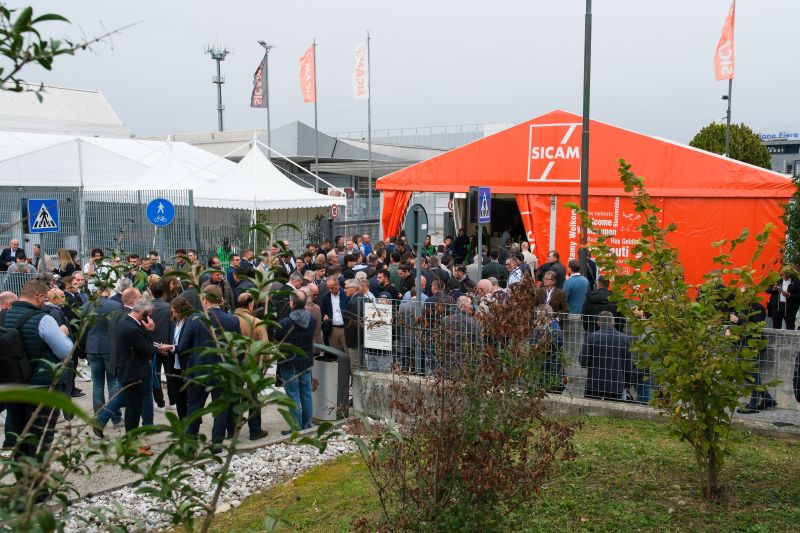
Sicam 2026: “pragmatism and optimism”
Paoletti Engineering for Wood Box: sustainable choices
Hymmen at Tech-Together 2026: surfaces, digital printing and data in focus