Biesse: technology goes to school
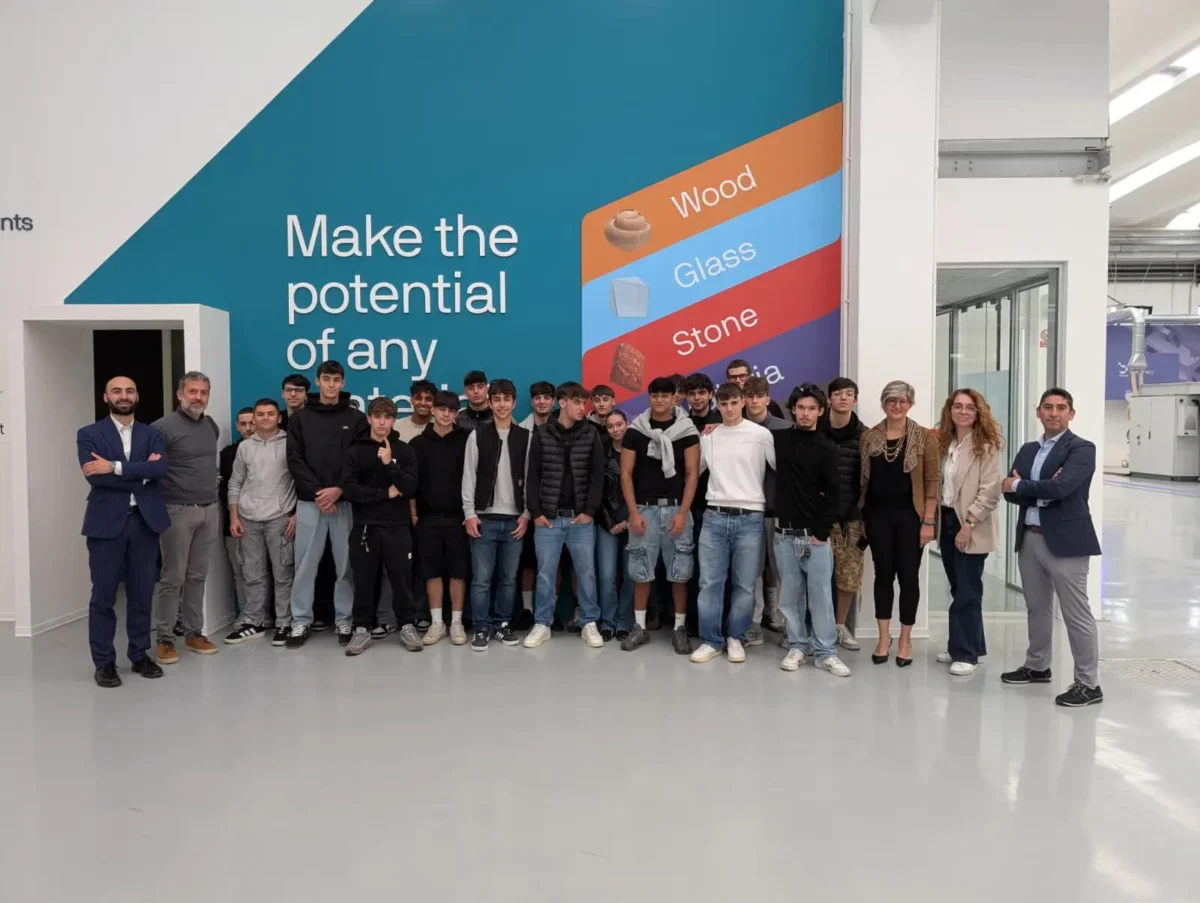
Technical education meets industry and becomes a concrete project for the local community. This is the essence of the initiative carried out in Pesaro by students from ITET Bramante-Genga, who designed, machined, and assembled a kitchen intended for Rodari primary school. The project was developed in collaboration with Biesse, a company specializing in technologies for processing wood and other materials, and with the support of Confartigianato Pesaro e Urbino.
The project involved students from the vocational program “Industry and Craftsmanship for Made in Italy”, giving them the opportunity to gain direct experience with the production processes of the wood and furniture sector. More than a simple educational activity, it was an experience built around real operational phases: from design to machining, through to the final assembly of the finished product.
During the project, the students used the bSolid software, took part in operational sessions at the Biesse Material Hub in Pesaro, and worked alongside the company’s technicians. In this way, they were able to engage with tools and skills normally used by companies across the supply chain, experiencing the transition from a design idea to the concrete creation of a product.
The value of the initiative, however, is not only educational. The kitchen made by the students is in fact intended for children with disabilities at Rodari primary school, also giving the project a social dimension. The collaboration between school and business thus becomes an example of how technical skills can generate a direct impact on the community, turning a learning path into something useful for the local area.
For Biesse, the initiative is part of a collaboration with the school that has been ongoing for several years. The company emphasizes the role of training and dialogue with the education system as tools to bring young people closer to the skills required by the manufacturing industry. This is a particularly relevant issue for the wood and furniture sector, where technological transition requires professionals able to move between digital design, automated machines, product quality, and knowledge of materials.
The Bramante-Genga project therefore points to a possible direction for technical education: bringing students inside industrial processes, having them work on real cases, and linking learning to a tangible result. It is a model that can help strengthen the connection between schools, companies, and the production supply chain, helping young people understand Made in Italy not only as an artisanal tradition, but also as technological expertise, design capability, and attention to quality.
Read also...
Wood drying: technology, energy and skills at the centre of the debate
Altendorf concentrates production in Minden
Dürr, new metering pump for industrial coating applications
Energy renovation: a challenge involving the wood industry as well
Raute, EUR 31 million order to expand plywood production in Estonia