Formetal: tailored automation for managing production complexity
In industrial logistics, packaging and automation, efficiency no longer depends only on the speed of the systems. It increasingly depends on the ability to manage more variable production flows, with different products, smaller batches and processes that must adapt without losing continuity. This is the context in which Formetal operates, an Italian company specializing in the design and construction of custom-made industrial solutions.
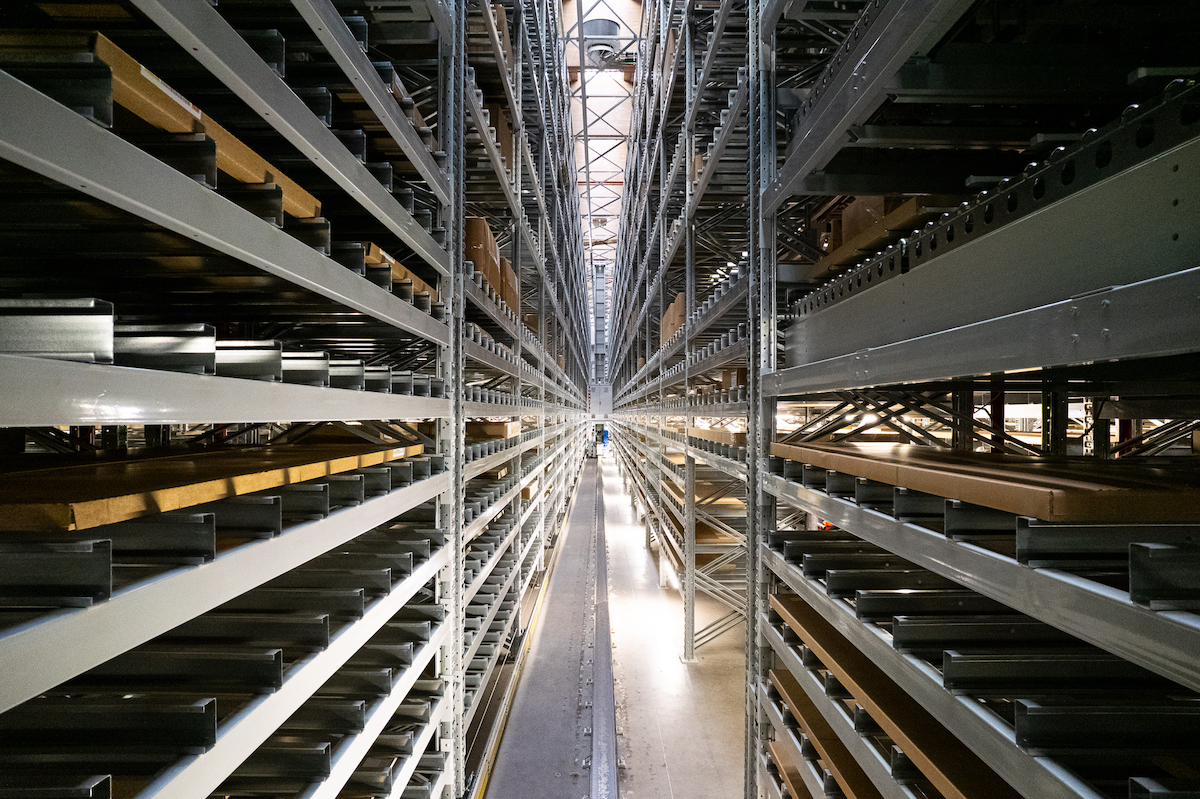
Founded in the late 1990s in the furniture district of the Marche region, Formetal has gradually expanded its scope of activity. From a mechanical fabrication company, it has evolved into a technological partner for the optimization of production flows, developing systems dedicated to product transfer, storage, assembly and packaging.
The company’s distinctive feature is its tailor-made approach. Each project starts from an analysis of the customer’s requirements and is built around the production environment in which it will operate. The objective is to address the critical points of the process, reducing processing times, improving flow organization and increasing overall productivity.
From this perspective, automation is no longer just a tool for increasing volumes, but a lever for managing complexity. The systems developed by Formetal are designed to automatically recognize products, adapt processes in real time and ensure operational continuity even in highly variable production environments. This condition is increasingly common in industrial production, where process standardization has to deal with smaller batches, variable formats and growing demand for customization.
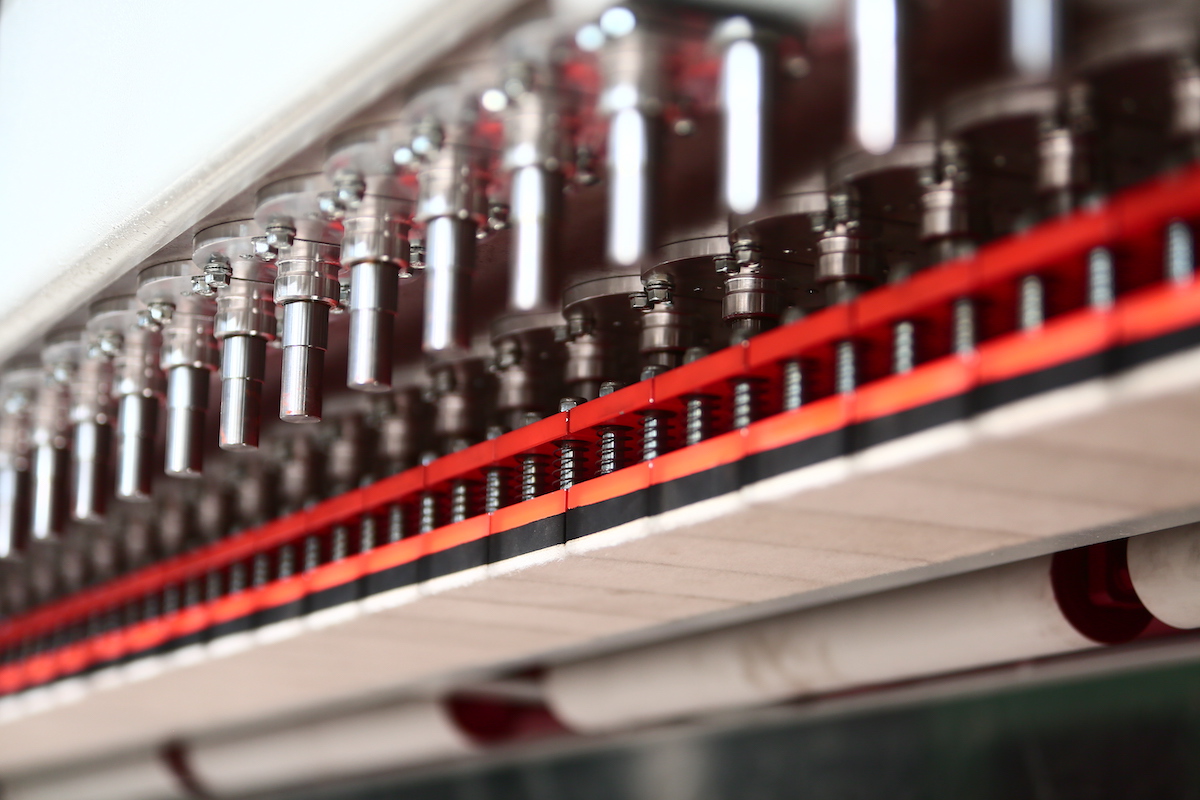
The company’s solutions can handle thousands of different pieces every day while maintaining high quality standards and reduced production times. This is made possible by the integration of mechanical, electronic and software components, as well as by advanced control of information flows across the different stages of the process.
It is no coincidence that Formetal is described as the “tailor of handling”: each system is designed as a unique solution and integrated into the customer’s production environment. This means not simply adding a machine to a line, but building a solution that is consistent with the spaces, timings, products and operational constraints already present in the factory.
While the furniture sector remains its main field of application, Formetal has gradually extended its expertise to other industrial sectors. This growth reflects the broader evolution of automation: less rigid standardization, more adaptability.
In an industrial context marked by increasing complexity, production variability and the need for integration, companies such as Formetal play a significant role. Not only in optimizing existing processes, but also in contributing to the design of more flexible, interconnected factories capable of responding quickly to market requirements.
Read also...
Raute, EUR 31 million order to expand plywood production in Estonia

Lamello at Sicam with “Cabineo”
Farewell to Luigi Alberti

Holzmesse Klagenfurt 2026: more than 22,000 visitors
Salvamac e Harwi join forces in cross-cutting