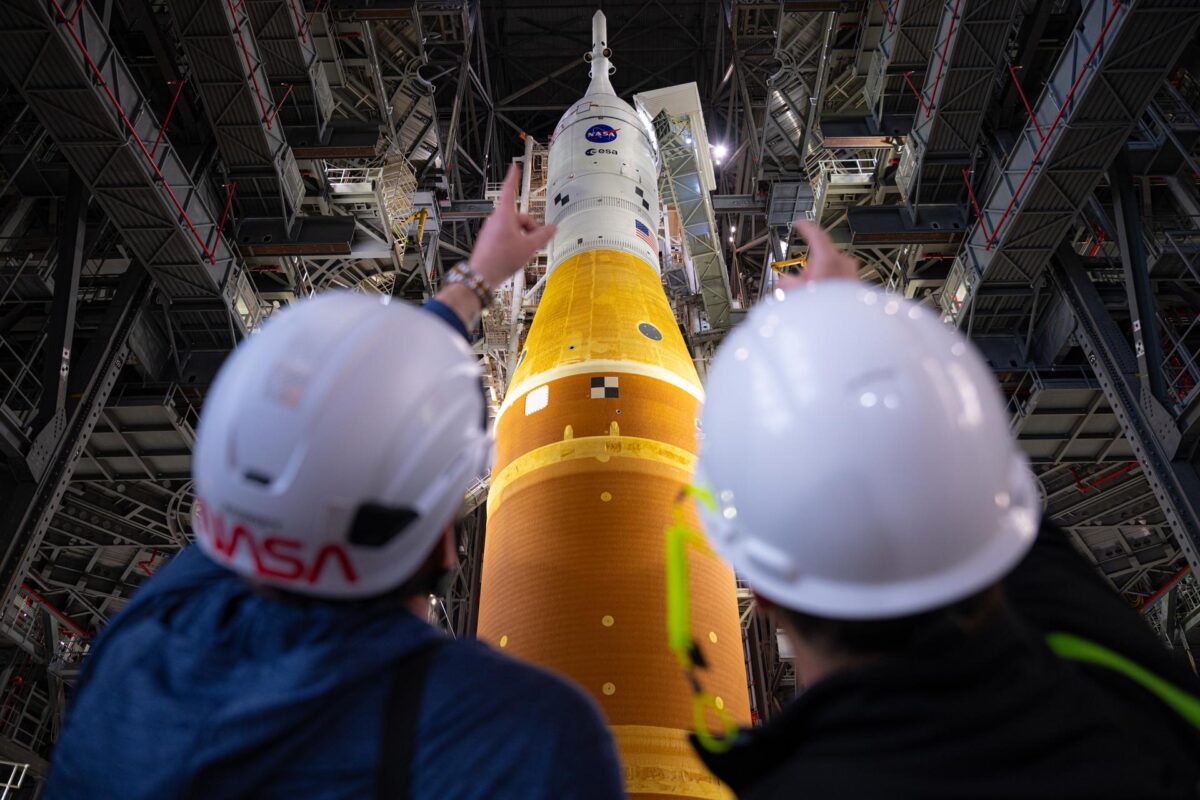
Cork in space: Amorim and the Artemis II mission
From tradition to the frontier of space, cork once again takes center stage in NASA missions. After the success of Artemis I, Corticeira Amorim is also contributing to the Artemis II mission by supplying cork-based materials used in the thermal protection system of the Orion spacecraft, where they play a crucial role in safeguarding critical components and structures from the extreme temperatures generated during the most delicate phases of the mission, from launch to re-entry into Earth’s atmosphere.
In the aerospace sector, cork is transformed into a high-performance composite known as “P50”, developed to operate under extreme conditions and capable of combining thermal insulation, energy absorption under mechanical stress, flexibility, and compatibility with the most advanced composite systems.
“The role of cork is, ultimately, simple yet fundamental: to protect by sacrificing itself. As temperatures rise, the material undergoes a controlled transformation, forming a carbonized layer that enhances thermal resistance and protects the underlying structures. What makes these materials truly unique is the combination of a natural raw material with high fire-resistant binders, creating a lightweight and reliable thermal protection system capable of withstanding extreme levels of heat exposure,” says Eduardo Soares, Innovation Director at Amorim Cork Solutions.
A 100% natural, renewable, and recyclable material, cork comes from the montados, unique ecosystems of the Mediterranean basin, where the bark of cork oak trees is harvested without harming the trees, following a sustainable cycle that repeats over decades. The presence of cork in Artemis I and Artemis II missions represents a significant confirmation of its performance in critical environments, where every material undergoes rigorous validation processes and where continuity is always the result of proven performance.
“A contribution that demonstrates its reliability in some of the most demanding environments ever faced by engineering. In the aerospace sector, continuity is never taken for granted: it is earned through performance. It is a concrete example of how a natural material, when combined with knowledge and innovation, can meet the highest technological standards. What we are observing today is that materials science is no longer a support function, but a central element in the design and execution of space missions,” comments António Rios de Amorim, chairman and CEO of Corticeira Amorim.
Read also...
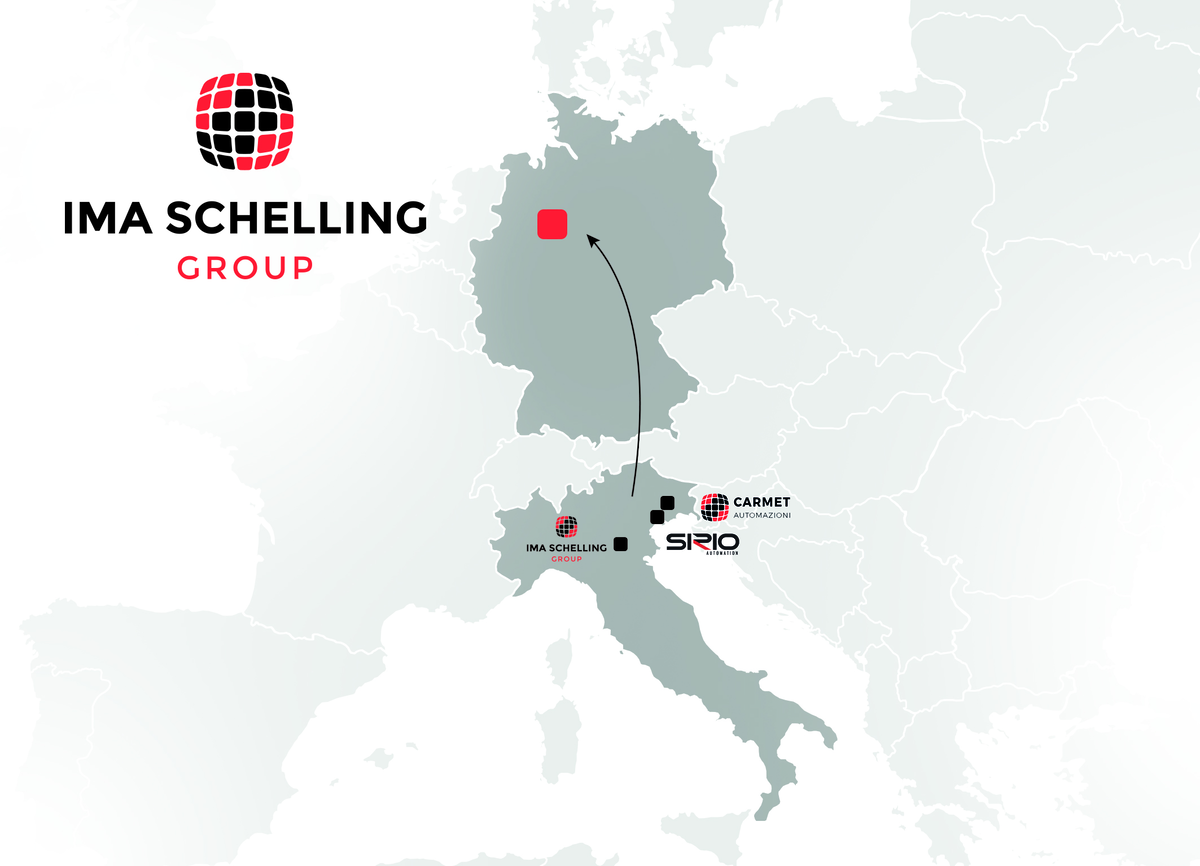
IMA Schelling acquires a stake in Sirio
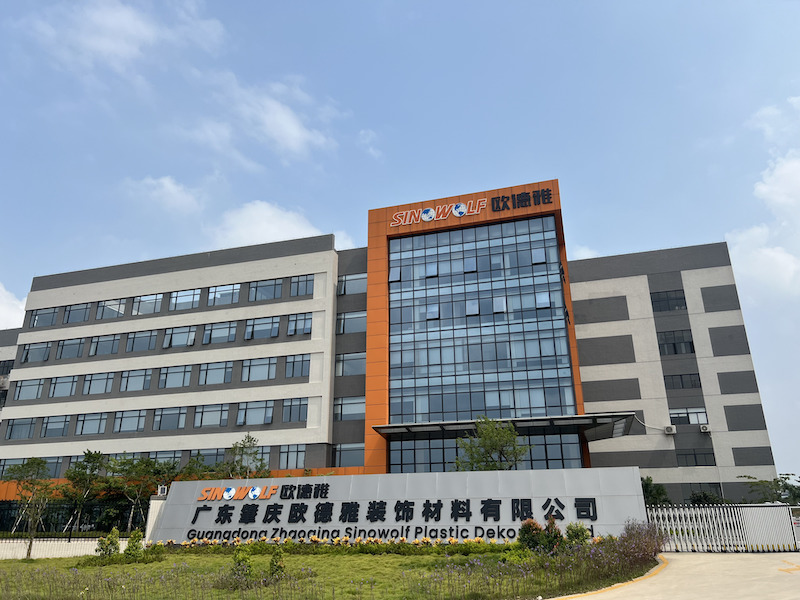
Egger: 30 per cent stake in Chinese manufacturer Sinowolf
Bastian Siglreithmaier to head four Deutsche Messe trade fairs
Wood drying: technology, energy and skills at the centre of the debate
Altendorf concentrates production in Minden