Imas Aeromeccanica: when extraction becomes a system
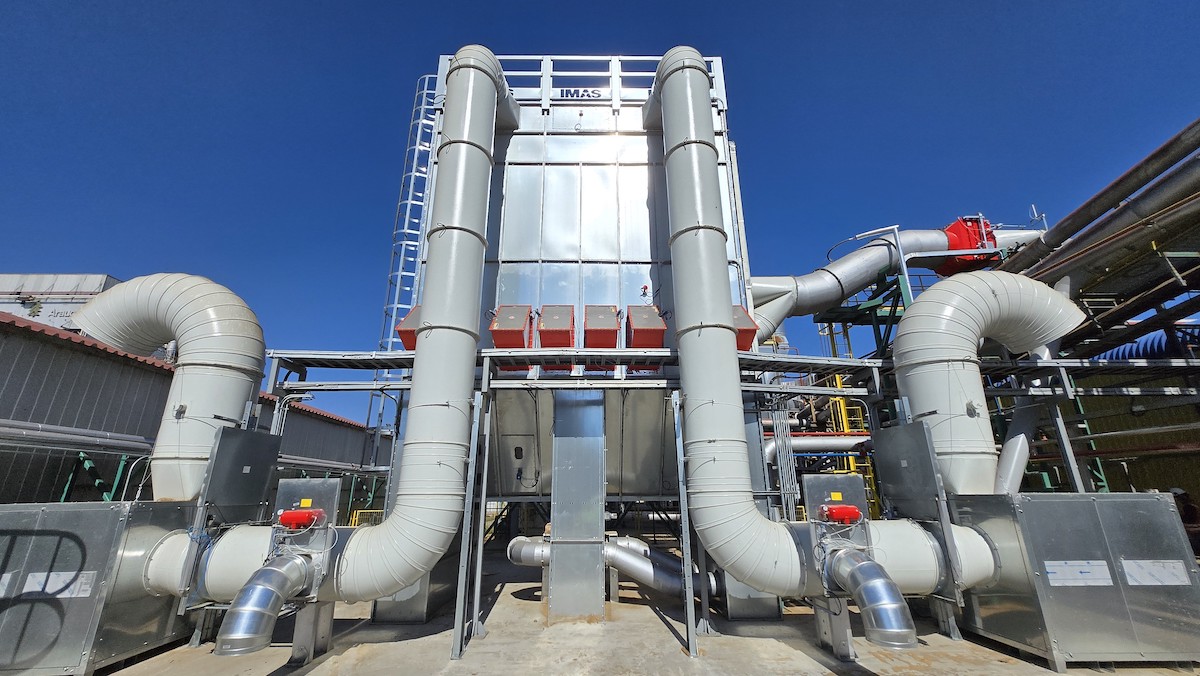
Imas Aeromeccanica – the company based in Ozzano nell’Emilia, just a few kilometers from Bologna and specialized in air extraction and filtration systems – has been working for years on a topic that is both highly technical and extremely practical for manufacturers: the management of dust, chips, and processing residues. An aspect that is often taken for granted, but which in reality has a direct impact on operator safety, product quality, and the continuity of production activities.
During processes such as cutting, milling, and sanding, the generation of dust is inevitable and, if not properly managed, can become a problem both for the working environment and for plant efficiency. Properly designed extraction and filtration systems, on the other hand, make it possible to maintain stable operating conditions, reduce risks, and improve overall process management.
“One of the most critical aspects is the health of operators,” explain representatives from the Emilia-based company. “Continuous inhalation of wood dust can cause respiratory problems, allergies, and, in more severe cases, occupational diseases such as asthma or silicosis. Some wood species also release potentially toxic substances, increasing the risk of chronic conditions. An effective extraction system drastically reduces the concentration of airborne dust, improving workers’ well-being.”
In addition to health and safety, the presence of an extraction and filtration system helps keep the working environment clean. Dust and processing residues, if not properly removed, can settle on machinery surfaces and floors, creating poor hygiene conditions and increasing the risk of fire. The accumulation of sawdust and chips represents a significant hazard, as wood is highly flammable and an accidental spark could trigger a fire with serious consequences.
“But that’s not all. Another advantage is production efficiency. A clean workshop free of dust and chips improves the precision and lifespan of machine tools, reducing maintenance costs and increasing the quality of the finished product. A well-designed extraction system optimizes workflow by preventing interruptions caused by the accumulation of residues on work surfaces.”
Last but not least, there are also regulatory implications. In many countries, workplace safety regulations require the installation of extraction and filtration systems in the wood industry to comply with fine dust exposure limits. Companies that fail to meet these requirements may face severe penalties and damage to their reputation.
“Investing in an air extraction and filtration system is not only a responsible choice, but also a necessity to ensure a safe, efficient, and compliant working environment. Protecting workers’ health, preserving equipment, and improving production quality are just some of the benefits that an extraction system can offer.
The filters used in these systems employ both bag cleaning systems and cartridge systems, depending on the type of wood being processed. The range also includes filtering sub-stations, dust collectors, and a variety of silos, making the offering highly flexible and capable of meeting a wide range of market needs.”
imas.it
Read also...

Wood drying: technology, energy and skills at the centre of the debate
Altendorf concentrates production in Minden
Dürr, new metering pump for industrial coating applications

Energy renovation: a challenge involving the wood industry as well
Raute, EUR 31 million order to expand plywood production in Estonia