European sawmills: fragile recovery as weak construction and raw material shortages weigh on a strategic sector
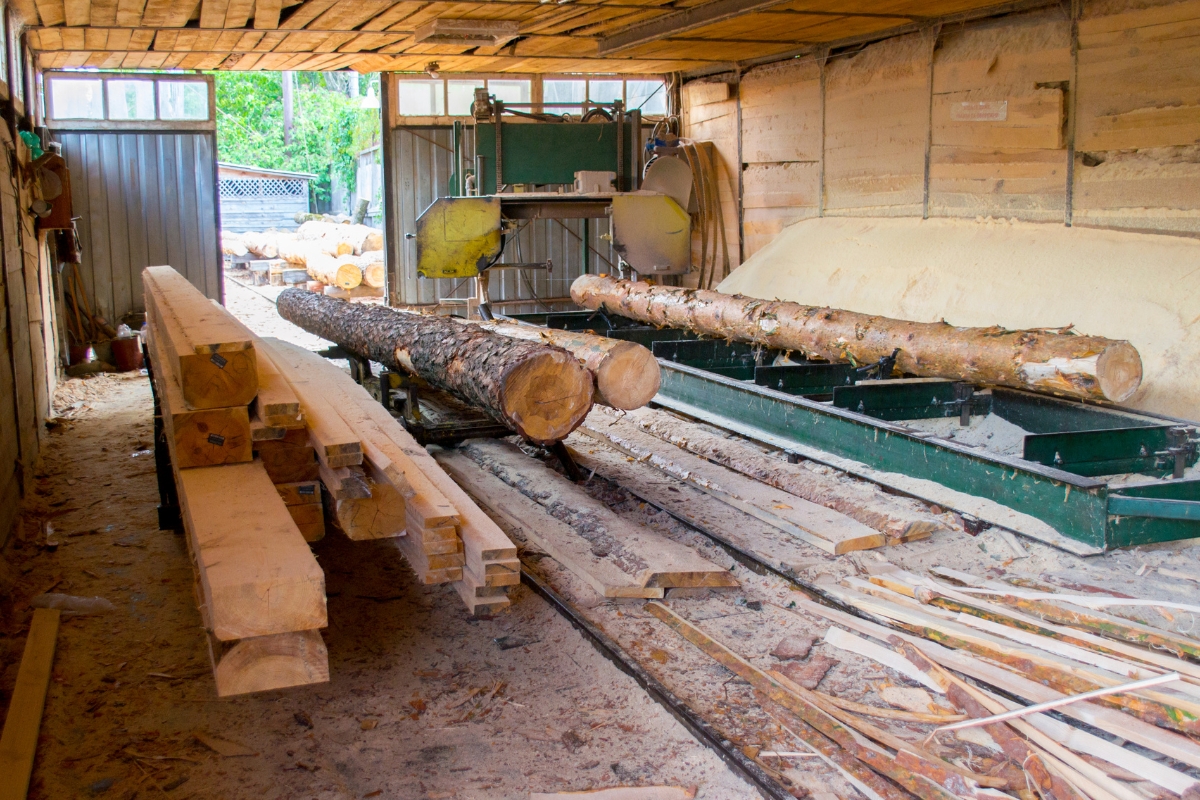
The European sawmill sector remains one of the pillars of the wood industry, but it is going through a complex phase, marked by still weak demand, high raw material costs and a geopolitical and economic context that continues to generate uncertainty. This is what emerges from the “Annual Report of the European Sawmill Industry 2025-2026” published by EOS, the European Organisation of the Sawmill Industry, which represents the sawmill industries of 13 countries at European and international level.
The figures confirm the weight of the sector: the European sawmill industry comprises almost 32,000 companies, around 220,000 employees and a net turnover of 51.4 billion euros. In 2024, sawnwood production reached 102 million cubic metres, with a significant share destined for exports outside the EU. At the same time, the sector maintains a very strong link with the European forestry supply chain: over 90 percent of the logs processed come from within the Union, while around two thirds of forest owners’ income is generated by the sawmill industry itself.
The picture, however, is not without critical issues. After the production peak recorded in 2021, driven by strong demand and the availability of raw material in some European areas, the sector had to face a gradual slowdown. 2022 marked a first setback, also linked to the consequences of the war in Ukraine, while in 2023 the decline became more pronounced due to inflation and the weakness of construction markets. According to EOS, the contraction of recent years seems to have bottomed out, but a real recovery has not yet materialised.
CONSTRUCTION
The main issue, however, remains construction. European construction markets are still subdued and this has a direct impact on sawnwood consumption, especially in the softwood segment. Demand is stagnant in several countries, while the signs of recovery observed at the beginning of 2026 remain fragile and are conditioned by the possible return of inflationary pressures, rising energy costs and a potential tightening of monetary policies. Higher interest rates would mean more expensive mortgages and, consequently, a further brake on the residential market.
Alongside weak demand, the sector, as explained in the report, also has to deal with a supply-side problem. Although consumption is far from dynamic, many EOS member countries report limited log availability. Raw material prices remain high and, in a context of weak demand, sawmills are not always able to pass these increases on to sawnwood prices. The result is a squeeze on margins that puts pressure on the competitiveness of the European industry.
SPRUCE
The situation of spruce, one of the main wood species for the European softwood market, is particularly delicate. Its availability appears increasingly tight, especially in some areas of Central Europe, partly as a result of climate change and the transformations taking place in forests. For this reason, the report underlines the importance of making greater use of pine, which can represent a valid structural alternative in many applications, although with different aesthetic characteristics.
On international markets, the picture remains uneven. Japan is showing flat demand, China continues to be affected by the crisis in the construction sector, while the United States remains the main non-European market for many sawmills on the continent. Trade tensions, however, are not helping, nor are geopolitical tensions, which risk penalising flows towards the Middle East.
POSITIVE SIGNS
There are, however, positive elements. Wood is continuing, albeit slowly, to gain market share as a building material in several European countries, a trend supported by growing attention to sustainability, emission reduction and the use of renewable materials. This role is clearly linked to wood and, from this point of view, EOS once again stresses the climate role of wood products: they store carbon for long periods and can replace more energy-intensive materials such as steel, cement or plastic.
The sustainability of the forestry supply chain cannot be viewed only from a conservation perspective, but must bring together active forest management, raw material availability, industrial competitiveness and the contribution of wood to decarbonisation. Reducing European production, EOS warns, would not mean reducing global demand for wood, but would risk shifting it towards countries with less stringent forestry standards. The challenge for the coming years will therefore be to maintain this dual identity: guaranteeing a sustainable and predictable raw material supply, strengthening industrial efficiency and supporting the growth of wood in construction. This perspective makes the sector central not only to the wood economy, but also to the bioeconomy and to Europe’s climate goals.
Read also...
Paoletti Engineering for Wood Box: sustainable choices
Hymmen at Tech-Together 2026: surfaces, digital printing and data in focus
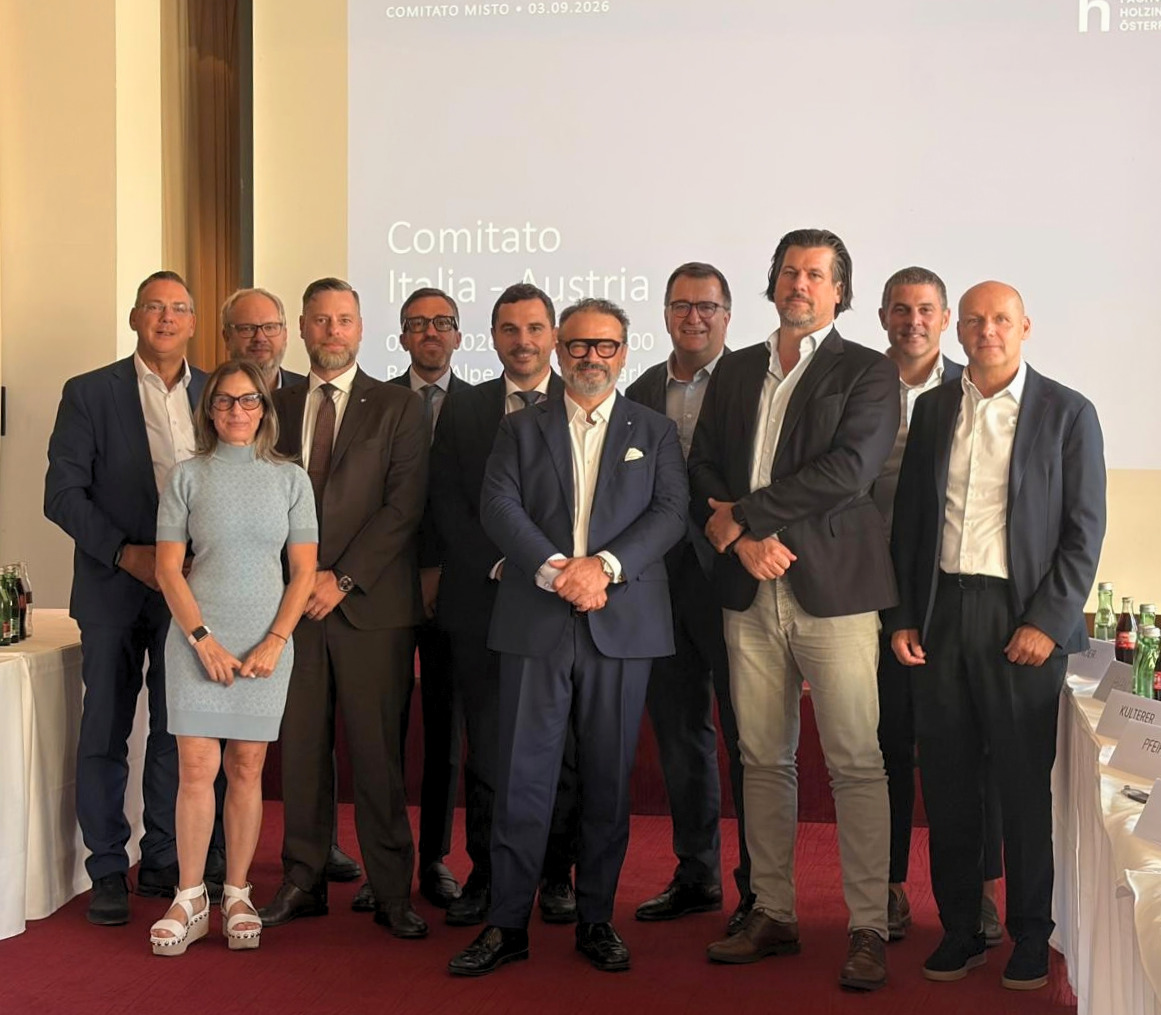
Italy-Austria, the timber sector looks to a shared roadmap

Homag Treff 2026: technologies, automation and digitalisation in the spotlight

US trade policy: furniture tariff increases postponed to 2027