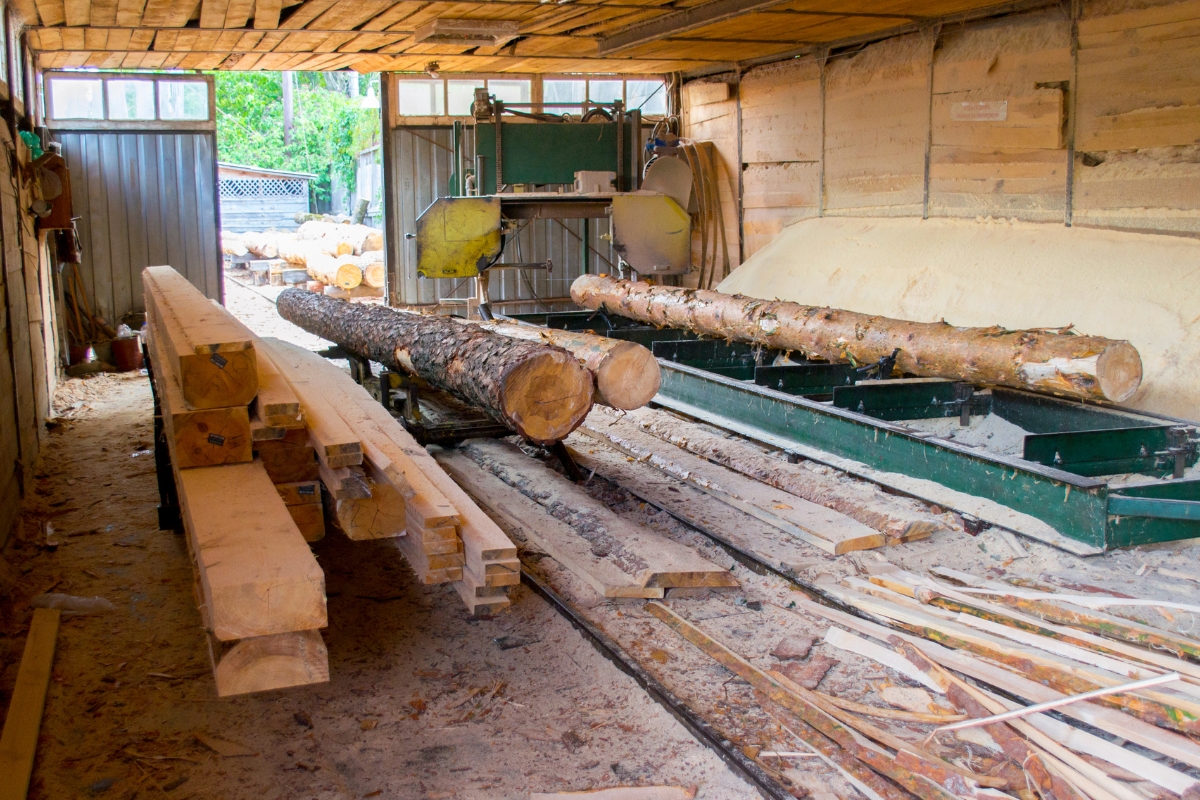
Wood packaging: local supply chains to strengthen competitiveness
Developing a local forest-to-wood supply chain could help Italian wood packaging manufacturers reduce their dependence on imports, improve competitiveness and support sustainable forest management. These issues were discussed at Ecomondo during the conference “The value of the local wood supply chain: certification, traceability and territorial competitiveness”, organised by Assoimballaggi, part of FederlegnoArredo.
The event brought together institutions, researchers and industry representatives to examine the role of active forest management and local sourcing, with particular attention to RAdiCE, a project launched in Veneto to establish a forestry supply chain agreement linking raw material availability with local processing industries.
“We are facing a real sustainability paradox”, said Andrea Attilio Gava, president of Assoimballaggi. “Italy imports around 80% of its timber requirements, a figure that exceeds 90% in the packaging sector, while harvesting only 35% of the annual growth of its forests”.
Gava also highlighted how timber harvested in Italy is frequently purchased by foreign operators, limiting opportunities for local sawmills and forestry businesses. Strengthening domestic supply chains, he explained, could reduce transport-related environmental impacts while supporting employment and economic activity in mountain communities.
Assoimballaggi intends to monitor the RAdiCE initiative and, if successful, encourage the adoption of similar models in other Italian regions.
Certification and traceability were also central to the discussion. FSC and PEFC schemes were identified as important tools for ensuring responsible forest management and documenting the origin of timber.
According to the FederlegnoArredo Research Centre, Italy’s wood packaging industry generates approximately €2 billion in turnover and employs more than 14,000 people.
Alessandra Stefani, president of Cluster Italia Foresta Legno, emphasised the importance of Italy’s National Forestry Strategy, published in February 2022 and scheduled for its first review in 2027.
The strategy, she explained, focuses not on increasing harvesting volumes but on improving harvesting quality through forest planning, certification, professional training and supply chain agreements. These measures aim to provide wood-processing companies with greater certainty regarding timber volumes, quality, legal origin and certification, while strengthening cooperation between forestry operators and manufacturers.
Read also...

European industry: a joint call for competitiveness

Scm Group receives SMAU Innovation Award for artificial intelligence applied to surface finishing

FederlegnoArredo: exports down 3.9% in the first seven months of 2026

FederlegnoArredo: Elia Vismara is the new president

Homag invests over €50 million in new facility in Poland