Construction, Italian industry confident in growth despite rising energy costs
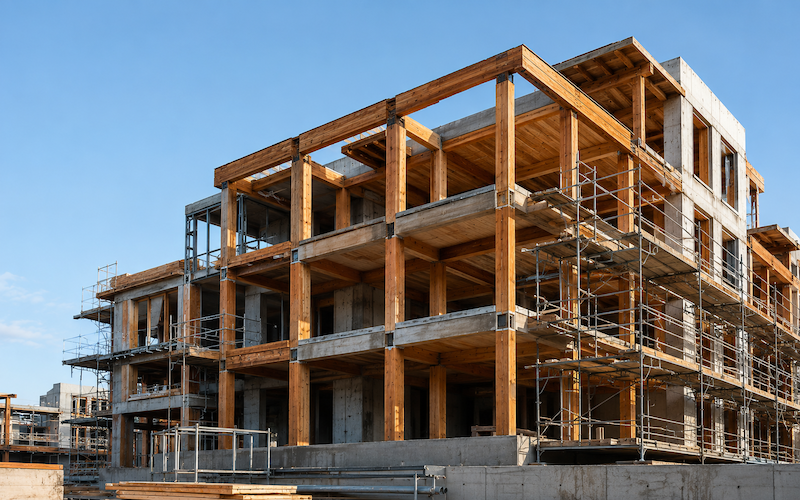
The Italian construction industry represents one of the main drivers of development and competitiveness for the Italian economy, as demonstrated by the more than 700,000 companies operating in the country, accounting for approximately 15 per cent of the total. The sector is currently facing a delicate phase, marked both by the end of the extraordinary boost provided by the NRRP, which concluded at the end of last June, and by the consequences of geopolitical conflicts, particularly the rising cost of energy and materials. Nevertheless, the sector remains solid, dynamic and resilient. According to Ance, it accounts for 12 per cent of GDP in terms of investment and lies at the heart of a supply chain that generates 20 per cent of annual GDP. The outlook for 2026 also remains positive, with investment in the sector expected to increase by 2.7 per cent.
Looking directly at companies operating in the sector, what are the main current trends? The answers are provided by the SAIE Observatory, the survey of companies involved in production, distribution and services for the construction and building services sectors, carried out in collaboration with Nomisma. The analysis previews the issues that will be addressed during the next edition of SAIE – The Construction Fair: Design, Building and Building Services, scheduled to take place at BolognaFiere from 7 to 10 October 2026.
SAIE Observatory: figures from the construction supply chain
Overall, the Italian companies included in the sample show a moderately optimistic outlook: more than 4 out of 10 companies, or 41 per cent, expect to close the year with an increase in turnover, while almost two-thirds of the sample, or 65 per cent, consider their order books to be satisfactory. These figures confirm companies’ confidence in their own financial position, with 1 in 2 describing themselves as confident, although the external environment is limiting overall optimism. Among the less optimistic companies, the rising cost of materials and the end of building incentives or other forms of support are the main concerns. But are companies planning to recruit new staff? Around 4 out of 10 companies in the sample expect to hire new employees over the coming months, with particular demand for engineers, followed by office staff and highly specialised workers.
Compared with previous months, the search for qualified personnel is proving less critical, while price wars, raw material costs, bureaucracy and shrinking margins rank among the main problems perceived by companies, cited respectively by 69, 65, 52 and 51 per cent of respondents. Recent geopolitical instability has affected companies on several fronts, causing not only higher raw material costs and delays in supplies, but also significant energy price increases, which have affected more than 80 per cent of the companies surveyed. One company in two reports an increase in energy costs of more than 10 per cent.
However, cost pressures have also become a driver of innovation, with 6 out of 10 companies having already redesigned products and processes to improve margins and efficiency.
What measures, in particular, have they introduced to mitigate these costs? First and foremost, the revision of sales prices for customers, followed by the development of new materials or products and, finally, by changing suppliers. It is therefore no coincidence that cost containment is the main factor guiding customer choices in the construction sector, according to at least 2 out of 3 companies. However, the adaptation of products to new technical and information requirements in the market also remains essential and is considered highly relevant by 8 out of 10 companies in strengthening the competitiveness of the sector.
“Construction is a fundamental sector for the country and, over time, it has demonstrated its ability to respond to changes in Italy and the international context with pragmatism and vision,” said Emilio Bianchi, General Manager of SAIE. “Today, this ability is also reflected in the determination to innovate, rethinking production methods and management models in order to strengthen companies’ market presence and address change with greater resilience. This is precisely the value that SAIE aims to capture and promote, offering companies a place for discussion, networking and development where they can present solutions, share experiences and contribute together to the evolution of the sector.”
Read also...
Wood drying: technology, energy and skills at the centre of the debate
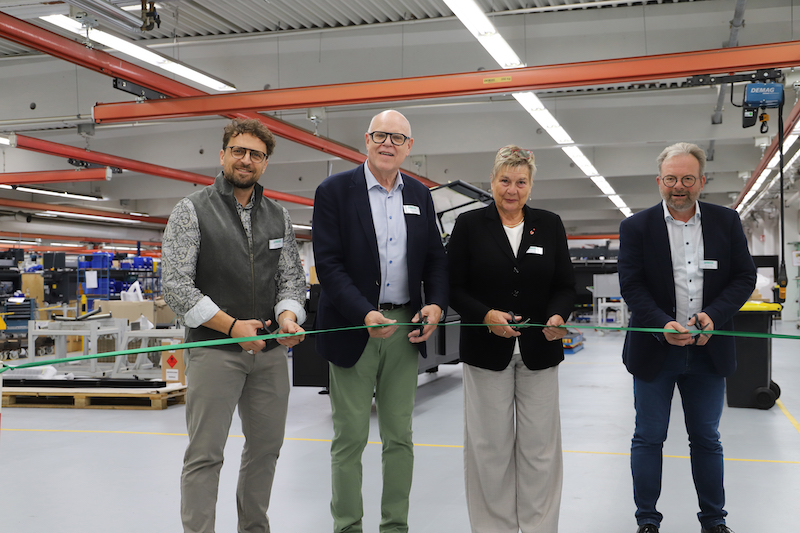
Altendorf concentrates production in Minden
Dürr, new metering pump for industrial coating applications
Energy renovation: a challenge involving the wood industry as well
Raute, EUR 31 million order to expand plywood production in Estonia