European industry: a joint call for competitiveness
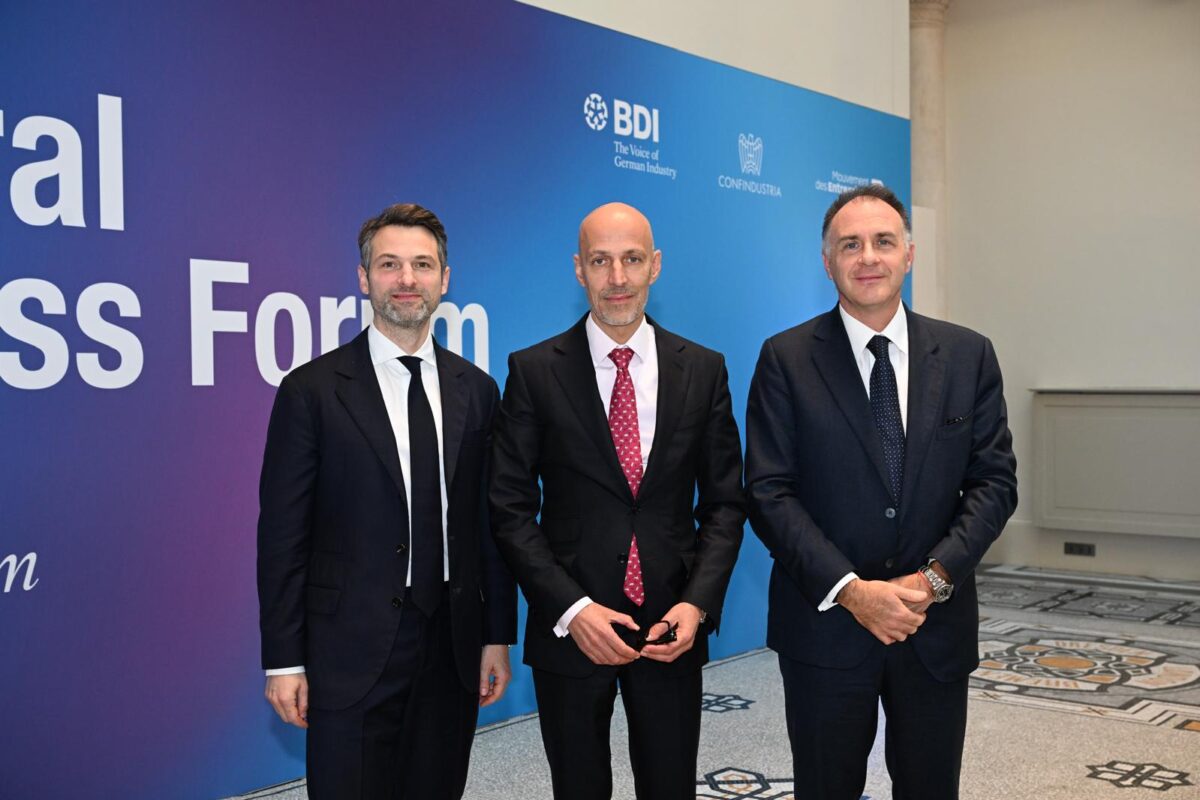
Europe needs action to protect manufacturing and reverse deindustrialisation. This is the message from Confindustria, Germany’s Bdi and France’s Medef, signing a declaration at the Trilateral Business Forum in Berlin on 5 November 2026.
The three associations warn that high energy prices, geopolitical tensions, strategic dependencies and global overcapacity are weakening Europe’s competitiveness, costing investment, jobs and supply chains. They call for a stronger Single Market and a common industrial policy focused on sectors where Europe can lead technologically.
Trade policy is another priority. The organisations urge the EU to strengthen its defence instruments against unfair competition and state-supported overcapacity, while seeking greater reciprocity in market access and investment conditions with China.
According to the declaration, Europe needs up to €1.2 trillion in additional investment each year to support competitiveness, decarbonisation and resilience. Confindustria, BDI and MEDEF call for adequate funding for the European Competitiveness Fund and Horizon Europe, simpler financing and more private capital, without increasing the tax burden on companies.
Energy costs remain a major obstacle to industrial investment. The associations advocate stable internationally competitive prices, investment in electricity networks and a review of the EU Emissions Trading System (ETS) that takes industrial competitiveness into account. They also support a technology-neutral approach to energy and climate policy.
On innovation, the declaration highlights digital infrastructure, quantum technologies and physical AI as areas where scientific expertise should translate into industrial applications.
For European machinery manufacturers, including woodworking technology suppliers, these issues affect investment, production and competition in international markets. The three associations argue that safeguarding European manufacturing requires coordinated decisions on energy, trade, technology and public spending.
Read also...
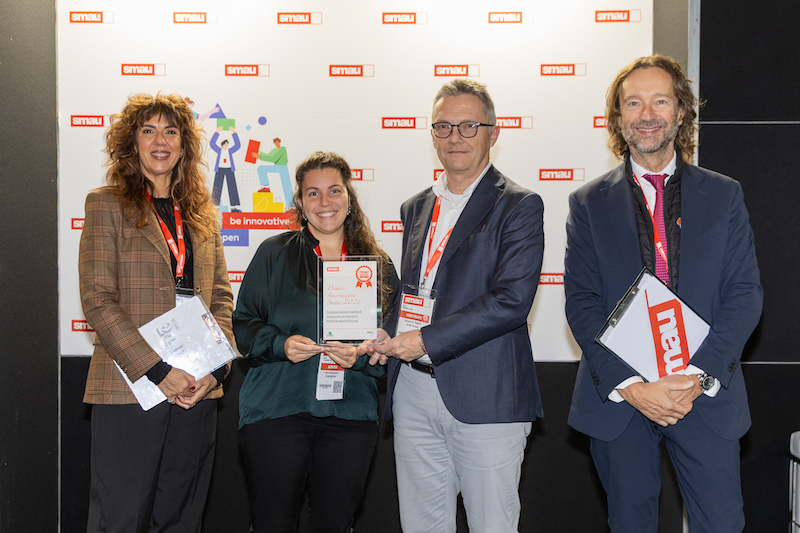
Scm Group receives SMAU Innovation Award for artificial intelligence applied to surface finishing

FederlegnoArredo: exports down 3.9% in the first seven months of 2026

FederlegnoArredo: Elia Vismara is the new president

Homag invests over €50 million in new facility in Poland
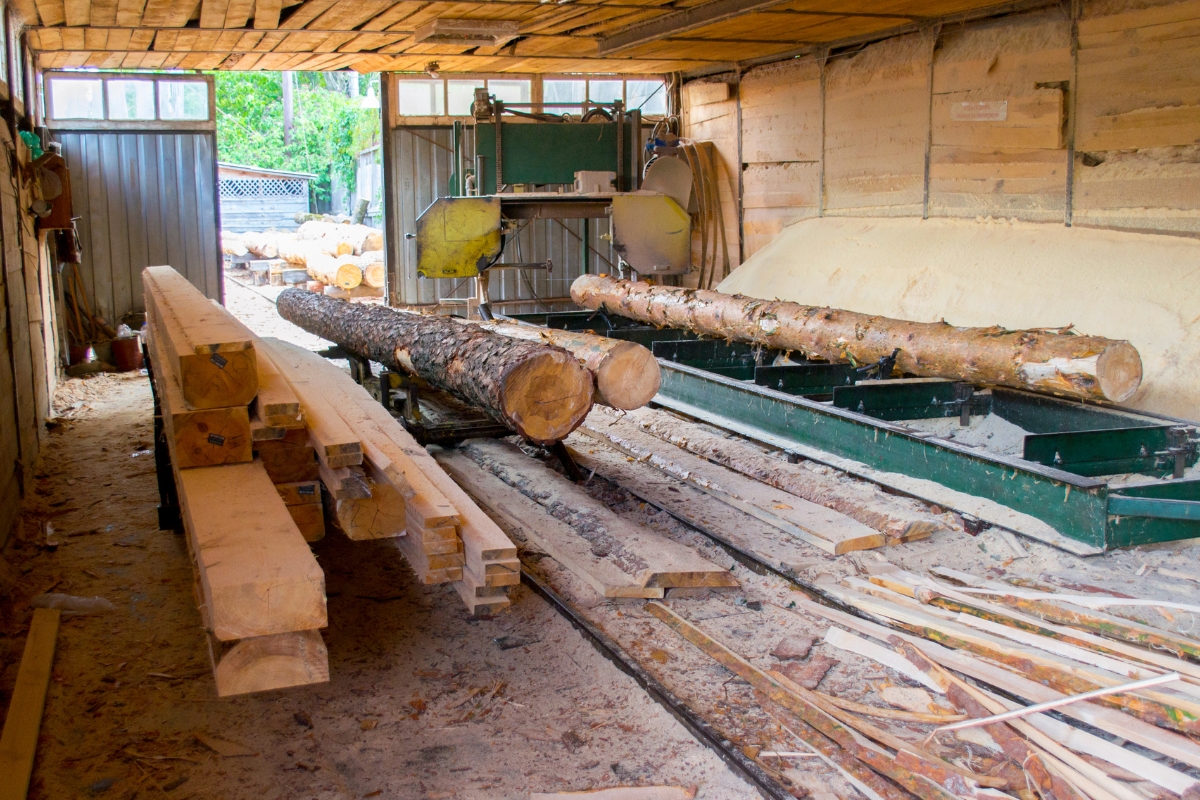
European sawmills: fragile recovery as weak construction and raw material shortages weigh on a strategic sector