Egger: the Unterradlberg plant will supply heat to St. Pölten’s district heating network
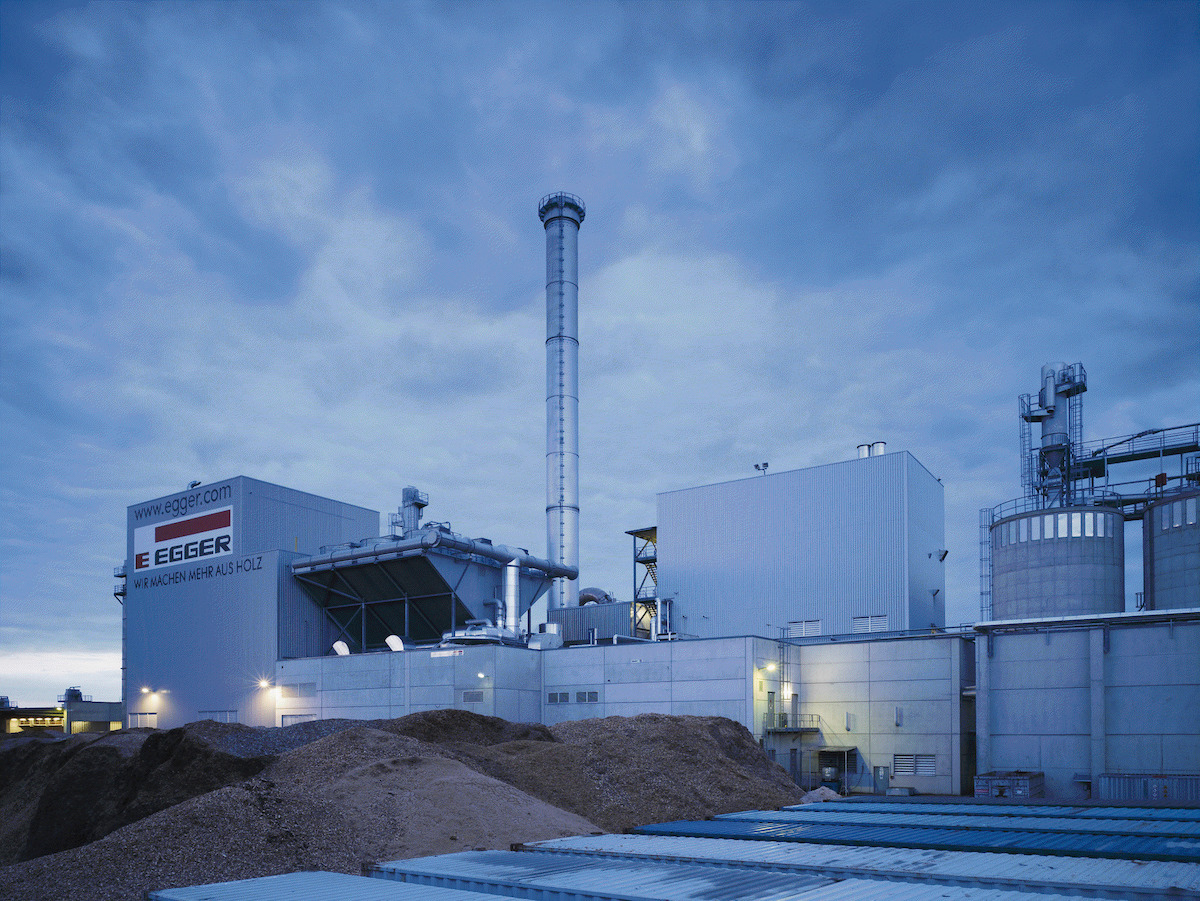
The Egger plant in Unterradlberg, Austria, will become part of the district heating network of the city of St. Pölten. The agreement with energy supplier EVN and the city administration provides for the heat generated at the industrial site to be fed into the urban network from the end of 2027.
The project is part of the plant’s energy modernisation process. Egger has already built two biomass power plants at the site to generate electricity and heat from biogenic fuels for its own production processes. According to the company, under normal operating conditions the plant already runs without using natural gas and also supplies heat to nearby production facilities, including Egger Getränke and Sunpor Kunststoff GmbH.
The most significant intervention concerns the installation of a new steam turbine at the Unterradlberg plant. The turbine will use steam from one of the biomass boilers to produce around 4.77 MW of electricity for the Egger site, bringing the share of internally generated electricity to around 87 per cent. The exhaust steam will then be recovered and fed into the district heating network.
This will be complemented by a new heat pump, which will allow additional thermal energy to be supplied to the city network by using the exhaust steam from a second, already existing turbine. The fuels used will mainly be wood dust from internal production, waste wood and biogenic residues that can no longer be used as materials.
During the winter months, the system is expected to supply around 10 MW of hot water to the district heating network, equal to approximately 10 per cent of the demand of customers connected to the St. Pölten network.
The project is part of the Egger Group’s climate strategy, which aims to reduce climate-altering emissions in line with the Paris Agreement and to achieve Net Zero by 2050. Beyond the company’s own objectives, the intervention points to a possible direction for the integration of industry and local energy networks: using the heat generated by production processes not only for the plant itself, but also as a resource for the local area.
Read also...
IMA Schelling acquires a stake in Sirio
Egger: 30 per cent stake in Chinese manufacturer Sinowolf

Bastian Siglreithmaier to head four Deutsche Messe trade fairs

Wood drying: technology, energy and skills at the centre of the debate
Altendorf concentrates production in Minden